











Middleboro to lose two polling locations in cost-cutting measure
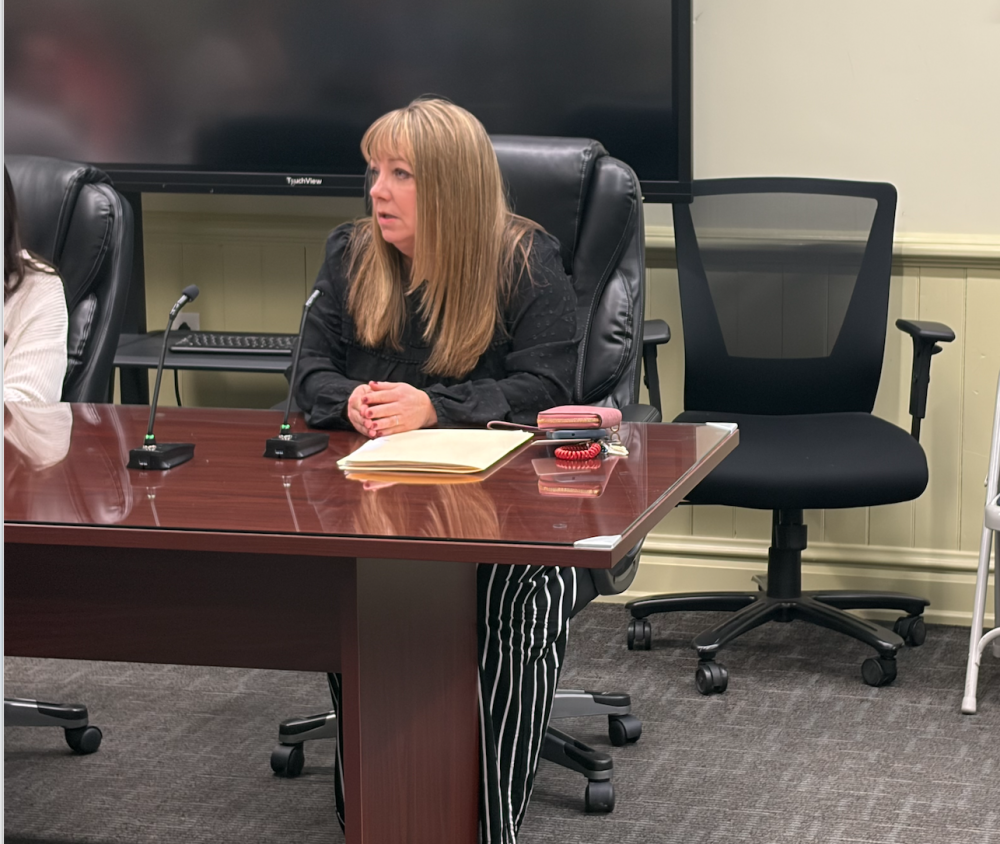 Town Clerk Pamela Menconi discusses the elimination of two polling locations. Photo by Sandy Quadros Bowles
Town Clerk Pamela Menconi discusses the elimination of two polling locations. Photo by Sandy Quadros Bowles
Town Clerk Pamela Menconi discusses the elimination of two polling locations. Photo by Sandy Quadros Bowles
MIDDLEBORO -- Middleboro voters will no longer cast ballots at the South Middleboro Fire Station and the Council on Aging.
Select board members agreed at their May 18 meeting to eliminate those polling places and move them to existing voting locations, which would save the town money.
Voters at South Middleboro Fire Station, 566 Wareham St., (precinct 3), will now move to Middleboro High School, which is 5.3 miles away. Voters who now go to Council on Aging, 558 Plymouth St. (precincts 5, 5A), will now cast ballots at Nichols Middle School, which is 2.5 miles away.
There will be no change to precinct 1, which will remain at Oak Point Club House.
By eliminating two polling sites, the town could save about $21,000 each year, Town Clerk Pamela Menconi said. The bulk of those savings would come from reducing police details.
She stressed that she was merely presenting options to the board and was not offering a personal opinion.
She noted that absentee voting and voting at the town clerk’s office before elections can be options.
Moving polls out of the fire station, she noted, would eliminate ongoing issues, such as concerns about American with Disabilities Act compliance, voters having to maneuver between safety equipment and potential disruption to fire service.
Parking there has also been an issue, she said, with voters forced to use the church lot across the street, which requires police presence for safety and traffic control.
Some voters questioned the elimination of the South Middleboro Fire Station site and noted that the new location was relatively far away.
“People are very sensitive to their traditions,’’ resident Louise Dery-Wells said. Although a savings of $20,000 may be significant, she said, “there’s a symbolism to South Middleboro’’ voting.
Resident Nathan Demers said the savings is not “worth it’’ because the poll changes would be “interrupting people’s routines.’’
But resident Cheryl Diamond said she strongly supports the change. “If someone’s going to vote, an extra five or six miles isn’t going to stop them,’’ she said. Saving “twenty thousand here, twenty thousand there, it adds up.’’
Select board members unanimously supported the reduced locations.
Member Thomas White noted that he did “hear all the concerns’’ and acknowledged “you’re not going to please everybody’’ but he liked the cost savings involved.
A one-time mailing, required by the state, will be sent to every household affected by the change. This will cost about $2,125.