











Middleboro Select Board to bring composting plant to court
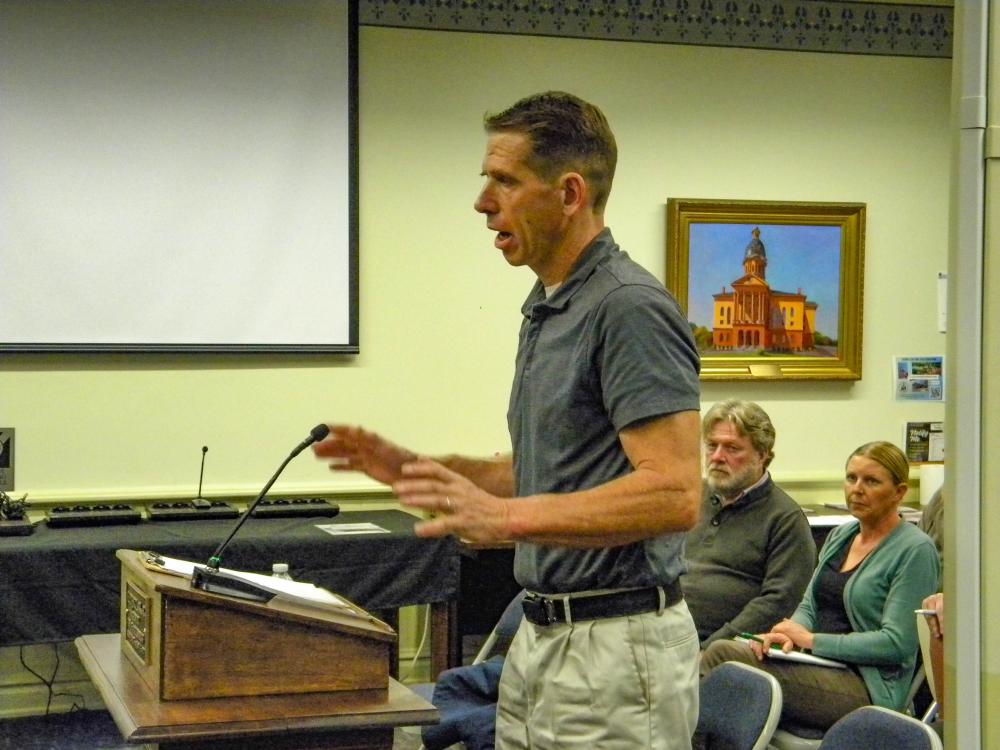 Ronald High of A-Plus Waste & Recycling Services speaks to the Select Board. Photos by Christian Uva
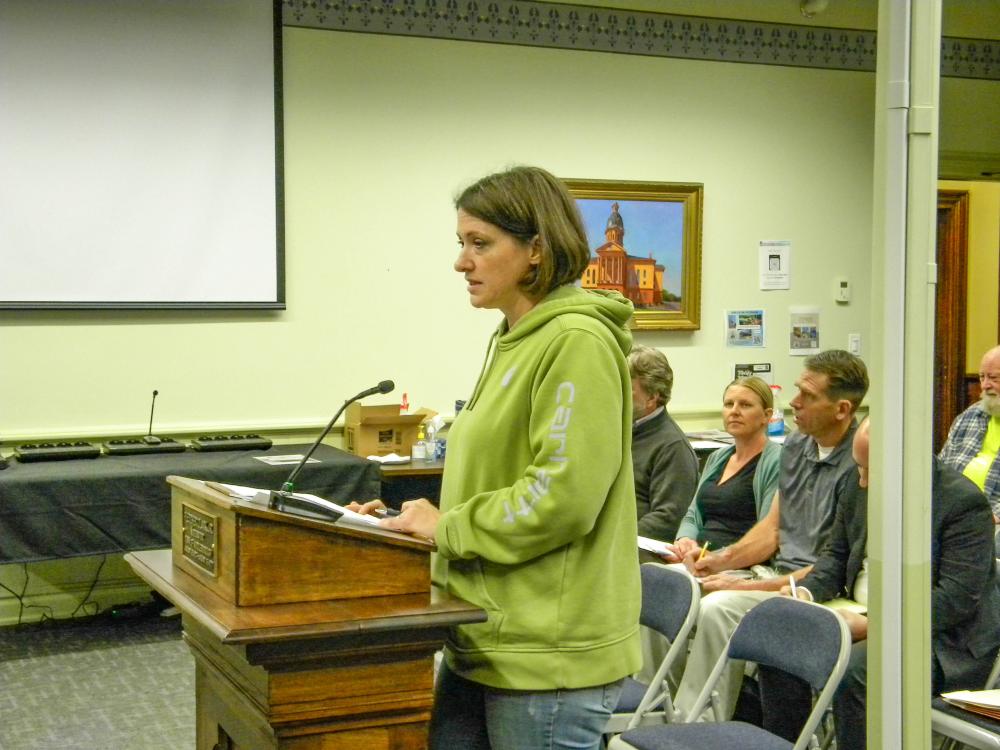 Jaime Meserve, a River Street resident and vocal opponent of A-Plus, told the Select Board she had heard High propose plans to fix the issues but hasn't seen any action on them.
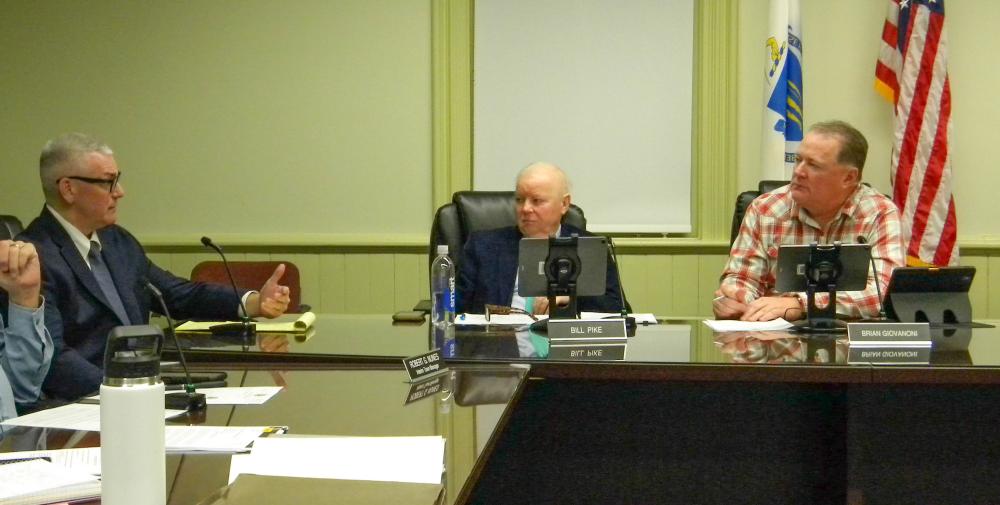 Attorney George Pucci of KP Law, left, served as the Select Board's legal counsel.
Ronald High of A-Plus Waste & Recycling Services speaks to the Select Board. Photos by Christian Uva
Jaime Meserve, a River Street resident and vocal opponent of A-Plus, told the Select Board she had heard High propose plans to fix the issues but hasn't seen any action on them.
Attorney George Pucci of KP Law, left, served as the Select Board's legal counsel.
MIDDLEBORO — The Middleboro Select Board voted unanimously to take legal action to permanently shut down composting operations at A-Plus Waste & Recycling Services. It deemed the smell coming from the plant as a public nuisance and voted to continue the cease and desist order placed on the plant at a Nov. 23 hearing.
If a judge were to rule against A-Plus, it would mark the second time the plant has been shut down in the past decade.
Ronald High, who operates A-Plus, proposed multiple solutions to mitigate the smell in an effort to lift the cease and desist. But the Board felt that the solutions came too late.
“It’s frustrating that we’re at this point, where these residents have dealt with this for so long, for you to finally come and have some ideas,” said Select Board Chair Teresa Farley. “We didn’t need to be here.”
The Select Board told him that he should still implement measures like these ahead of the court case to reduce the smell in the interim.
The Select Board sent a cease and desist letter to High on Nov. 3 after holding an executive session during its Nov. 2 meeting. The order told High to stop operations and remove all organic material from the plant seven days later on Nov. 10.
High still had not removed the material from his plant and had taken incoming shipments of organic waste since the letter was sent, according to the Select Board.
High told the Select Board that he had lost out on $51,139 in revenue since the letter was sent, on top of legal fees and other expenses. “The cease and desist has been financially crippling for my business. [It’s] how I support my family,” High said.
His plan included instituting a rapid response protocol for incoming organic waste and creating a working group with the town to find solutions to future issues. He said he would also consider moving the receiving area for organic waste farther from River Street.
“I want to work with the neighbors. I want to try and come up with a solution,” he said.
Jaime Meserve, a River Street resident, said that she had heard High propose plans like these since 2016. “I’ve heard all this stuff before,” she said. “And nothing ever comes to fruition.”
Multiple residents, including Meserve, spoke about their children feeling sick from the smell coming from A-Plus and not being able to open their windows in their houses.
“History has proven that this business emits odors,” said Drew Green, who said he deals with the smell from nearby Halifax.
Judi Tracey, who has lived on River Street since 1995, said she knows the difference of what life was like before and after A-Plus opened in 2008. She said that dust from the compost piles has been blown over her house and property.
“This began as a nuisance odor. This has become pure disrespect to our neighborhood, and it’s quite honestly become a safety problem,” she said.
Tracey and Kristen Flannery, who both spoke out at an Oct. 26 Select Board meeting, said they have received attacks and threats on Facebook. Flannery described the current state of River Street as a “hostile living environment.”
Many residents worried that the pollution produced during composting would release toxins into the air.
Dan Buonagurio, a farmer from Freetown who does business with High, said that “there are no toxins involved” in his composting process. He said that he will “continue to stand by his side now, because I know that financially it’s breaking his back and his family’s back.”
High said that he was not notified of the first Select Board hearing for residents on Oct. 26. He said that before that, he was “unaware that it had escalated to this level.” Many members of the audience scoffed at his statement.
The Select Board members told him that they had received hundreds of emails from residents complaining about the odor dating back years.
High declined to comment after the meeting.